Trees are an important part of a healthy environment, offering natural beauty, shade, cleaner air, and shelter for different types of wildlife. They also improve the appearance of residential gardens, commercial properties, and public spaces. However, maintaining beautiful and healthy trees requires regular care and attention. Without proper maintenance, trees may become vulnerable to diseases, insect infestations, damaged branches, and unfavorable weather conditions. Understanding basic tree care techniques can help property owners protect their trees and encourage healthy growth throughout the year.
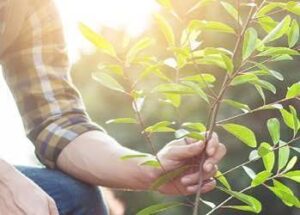
One of the first steps in maintaining healthy trees is creating suitable growing conditions. Every tree species has specific requirements related to sunlight, soil quality, moisture, and available space. Before planting a tree, it is important to consider how large it will become and whether its roots and branches will have enough room to develop. Selecting an appropriate planting location reduces future maintenance problems and gives the tree a better opportunity to establish itself. Proper planting depth is equally important because covering the trunk’s root flare with excessive soil can contribute to moisture-related damage.
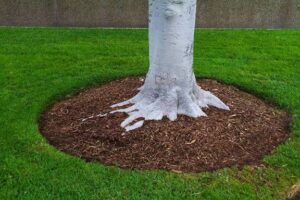
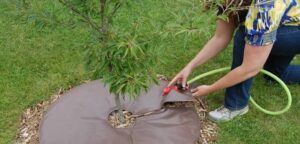
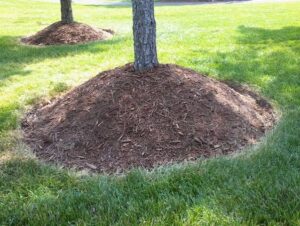
Water management is another essential part of tree care. Newly planted trees need consistent moisture while their root systems adjust to the surrounding soil. Established trees generally require less frequent watering, although additional moisture may be necessary during extended dry periods. Deep watering helps encourage roots to grow downward and access moisture from deeper soil layers. Adding a layer of organic mulch around the tree can also help maintain soil moisture, control weeds, and regulate ground temperature. Care should be taken to keep mulch away from direct contact with the trunk.
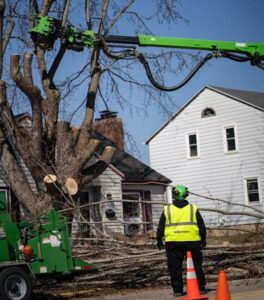
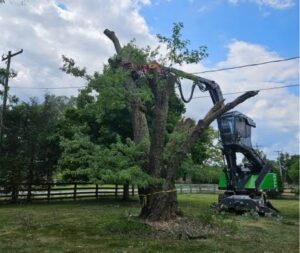
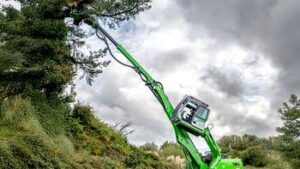
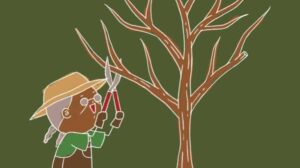
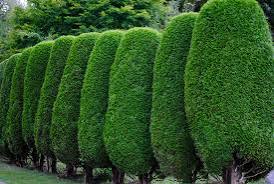
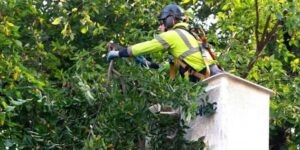
Pruning plays an important role in maintaining the structure and appearance of trees. Dead, broken, and diseased branches should be addressed before they create larger problems. Removing selected branches can improve airflow, allow sunlight to reach different parts of the canopy, and reduce potential hazards. However, pruning requires proper techniques because unnecessary cutting can weaken trees and interfere with their natural growth. Large branches, particularly those near buildings or electrical lines, should be handled by qualified professionals with appropriate equipment.
Another important consideration is protecting trees from pests and diseases. Insects, fungi, and environmental stress can affect leaves, bark, roots, and branches. Common warning signs include unusual leaf spots, holes in foliage, damaged bark, premature leaf dropping, and declining branch growth. Regular inspections help identify these symptoms early and make treatment more manageable. Maintaining proper watering habits, avoiding trunk injuries, and improving soil conditions can also support the tree’s natural defenses.
Healthy root systems are essential for long-term tree stability. Although roots are mostly hidden underground, they play a major role in absorbing nutrients, collecting water, and supporting the entire structure. Construction activities, excessive soil compaction, and unnecessary digging can damage roots and affect tree development. Keeping heavy equipment away from the root zone and maintaining suitable soil conditions can prevent many avoidable problems. Property owners should also avoid changing ground levels around established trees without understanding how those changes may affect their roots.
Seasonal inspections provide another opportunity to identify maintenance needs. Trees may require additional attention during hot summers, rainy periods, and stormy weather. Checking for weak branches, soil erosion, standing water, and signs of stress can help prevent serious damage. Preparing trees for seasonal changes through appropriate watering, pruning, and professional inspections supports their overall health and longevity.
Ultimately, successful tree care depends on understanding the needs of individual trees and maintaining them consistently. Proper planting, balanced watering, responsible pruning, pest monitoring, and root protection all contribute to healthy development. By following these practices, property owners can preserve the beauty of their outdoor spaces while supporting a greener, safer, and more sustainable environment for years to come.